
Spotify and Believe announced on October 20, 2026, a licensing agreement for Spotify’s upcoming AI-powered tool for fan-made covers and remixes. The agreement covers participating artists and labels distributed through Believe and TuneCore. The companies say the product is intended to let fans reinterpret existing songs in a licensed environment rather than create unrelated music from scratch.
According to Spotify’s announcement, streams of eligible remixes are expected to generate royalties for participating artists and the rights holders behind the original works. The feature is planned as a paid add-on for Spotify Premium subscribers; the announcement does not give a launch date or a price.
Artist participation is designed to be voluntary
Believe says participation will use a two-step consent process. Artists first choose whether to be considered for AI-related programmes; those who opt in can then decide whether to join this specific initiative. That distinction matters for independent artists and labels: distribution through Believe or TuneCore alone does not mean every catalogue track is automatically available for remixing.
The model is also different from an open-ended AI music generator. Spotify describes the tool as focused on reinterpretations of existing songs, with each remix linking back to the original track and artist. In principle, that can help discovery and create an additional licensed use for a catalogue, provided the eventual rules make permissions, attribution and royalty accounting clear.
What labels and distributors should check
- Opt-in records: confirm which artists and recordings have actually consented before promising access to a catalogue.
- Rights scope: establish how master rights, composition rights, territories and permitted remix uses are handled.
- Royalty reporting: check whether reports identify the original recording, the remix and the participating rights holders distinctly.
- Artist identity and disclosure: confirm how credits and AI-use information will appear to listeners.
Spotify’s broader October 20 update on protecting human artistry says it removed more than 50 million tracks identified as AI-generated slop or spam from recommendations over the past year, while also expanding AI credits and artist-profile protections. Those measures show the platform is trying to separate licensed creative uses from spam, impersonation and deceptive uploads.
A licensing path, not a blanket permission
The deal is a meaningful development for the distribution business because it links fan creativity to an explicit licensing and compensation framework. It should not be read as blanket permission to generate or distribute any AI cover. The practical value will depend on the final product rules, artist consent, rights clearance and transparent statements.
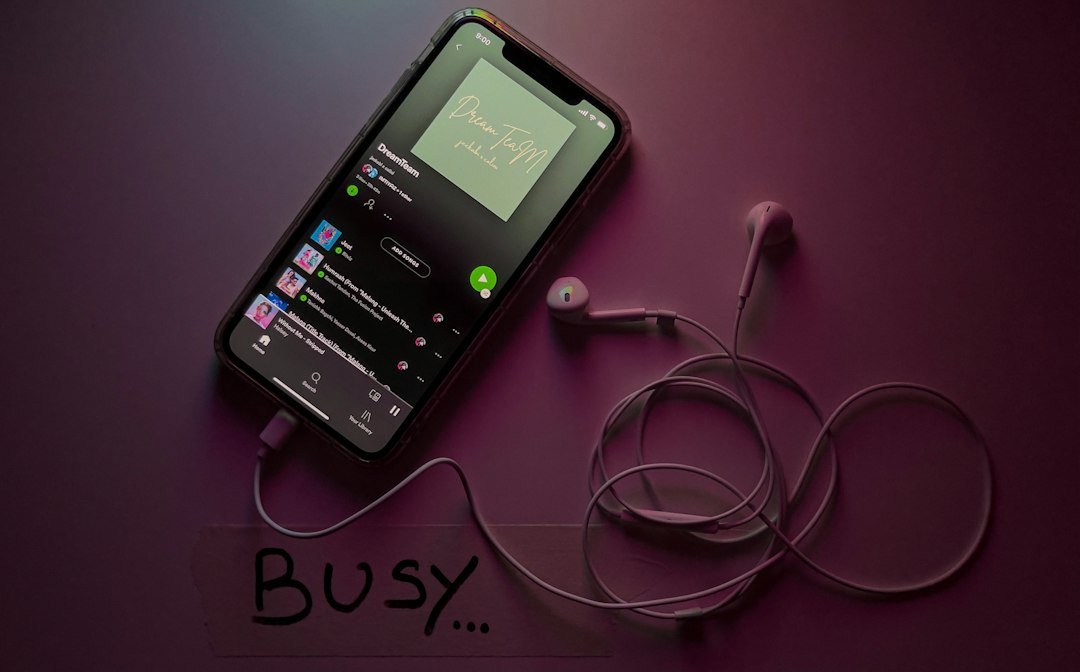
Image: illustrative photo of a smartphone used for listening to music. Photo by Imtiyaz Ali via Unsplash.